
PTSD & Military Police Veterans: Non-Combat Trauma Nexus Letters
Author: Dr. Jessica Allen, Psychiatrist and Former C&P Examiner
To get in contact with Dr. Allen, please call our office at (919) 849-8617 or schedule a free phone consultation at this link.
PTSD in Military Police Veterans: Non-Combat Trauma and VA Nexus Letters
PTSD in Military Police Veterans: Why Combat Is Not the Only Cause
Trauma From Law Enforcement Duty Counts Too
When most people picture posttraumatic stress disorder in veterans, they picture direct combat: firefights, explosions, or battlefield injuries. Combat is certainly a well-recognized cause of PTSD, but it is not the only military trauma capable of producing this condition.
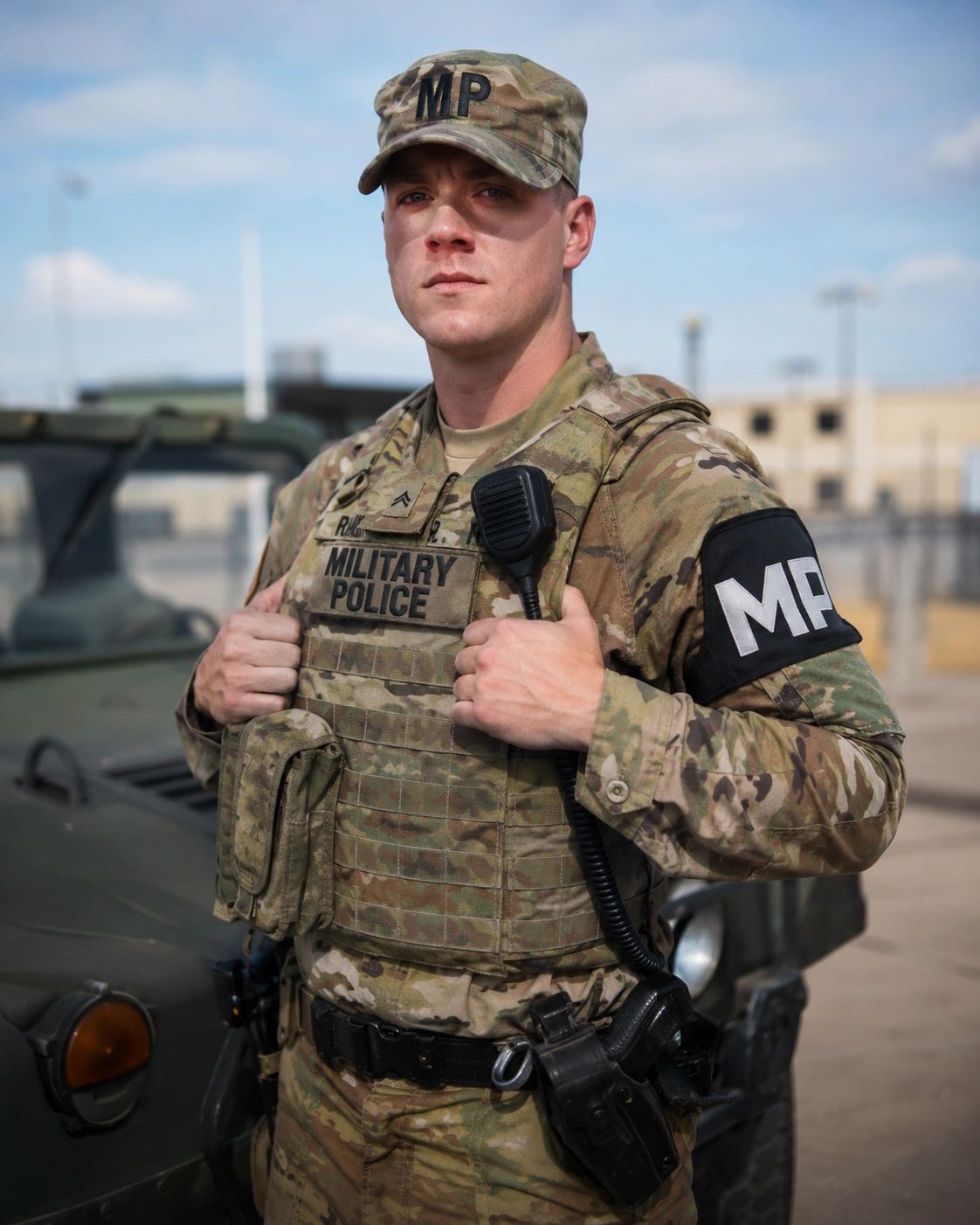
Military police, MPs, and other service members in law enforcement roles are routinely placed in contact with violence, death, human suffering, and morally distressing situations — on military installations, in detention facilities, at accident scenes, or while responding to domestic violence, sexual assault, suicide, or homicide. A veteran does not need to have served as an infantryman or received a combat award to have experienced trauma capable of causing PTSD. What matters is whether the veteran was exposed to actual or threatened death, serious injury, or sexual violence — whether through direct involvement, witnessing an event, or repeated exposure to traumatic details.
If you served as military police and are now dealing with PTSD symptoms, you may have a stronger VA disability claim than you realize — and a properly supported nexus letter can be the evidence that makes the difference.
Have you suffered a non-combat PTSD stressor event? If you would like to discuss your case with Dr. Allen, please call our office at (919) 849-8617 or schedule a free phone consultation at this link.
Why Military Police Duties Are Psychologically Traumatic A Unique Combination of Law Enforcement Stress and Military Discipline
Military police are expected to maintain order in chaotic, dangerous, emotionally intense environments — responding quickly, suppressing emotional reactions, making split-second decisions, and continuing to function despite exposure to disturbing scenes. Over time, this combination of law enforcement stress, military discipline, and responsibility for others' safety creates a high-risk environment for trauma-related symptoms, particularly when exposure is repeated without time to process it.
Sometimes the trauma is obvious and immediate. Often it is cumulative — an MP may not recognize the psychological toll of repeated exposure to deaths, assaults, suicides, threats, or detainee violence until symptoms emerge gradually, worsen after separation, or become unmistakable years later once the structure of active-duty mission focus is gone.
Ready to discuss your PTSD stressor events that your endured or witnessed as a MP? If you would like to discuss your case with Dr. Allen, please call our office at (919) 849-8617 or schedule a free phone consultation at this link.
Non-Combat Experiences That Can Lead to PTSD
Examples That Still Meet the VA's Trauma Exposure Requirement
Military police encounter many traumatic events that are never labeled "combat" but still meet the trauma exposure standard for a PTSD diagnosis.
Responding to Suicides or Attempted Suicides MPs called to scenes involving a service member's death or attempted death by suicide may be exposed to graphic injuries, weapons, grieving unit members, and the shock of seeing a fellow service member in extreme distress. Even without a personal relationship to the individual, repeated exposure to suicide scenes can be devastating, with intrusive images recurring for years.
Responding to Domestic Violence or Sexual Assault MPs investigating domestic violence, sexual assault, or family emergencies on base may encounter victims in acute distress, visible injuries, or children exposed to violence — particularly traumatic when the MP identifies with the victim or later questions whether more could have been done.
Handling Detainees, Prisoners, or Combative Individuals Detention and corrections duty can involve threats, assaults, riots, self-harm incidents, or violent behavior from detainees. The constant need to remain alert and anticipate violence contributes to chronic hypervigilance, irritability, and emotional numbing.
Responding to Fatal Accidents MPs are often first on scene at motor vehicle accidents, training accidents, or weapons mishaps involving severe injury or death — and frequently must secure the scene, preserve evidence, and continue functioning immediately afterward despite being emotionally shaken. See also our webpage on PTSD caused by being involved in serious car accidents.
Investigating Deaths or Serious Injuries Securing death scenes, interviewing witnesses, guarding remains, or documenting evidence after a fatal event can have a cumulative psychological effect, even when no single incident was classified as combat.
Being Threatened, Assaulted, or Shot At Gate duty, patrols, traffic stops, prisoner transport, and riot control can all involve a reasonable fear of serious injury or death — and the perception of imminent danger alone can produce lasting trauma symptoms, even without physical injury.
Recovering Human Remains MPs involved in recovering, guarding, or transporting human remains after accidents, suicides, or mass casualty events may later experience intrusive images, avoidance, guilt, or emotional shutdown.
Witnessing Violence Between Service Members Responding to fights, stabbings, or barracks violence can be traumatic, especially when the MP witnesses severe injury or fears for their own safety.
Moral Injury and Helplessness Not every traumatic injury stems from fear. Some MPs experience moral injury — psychological distress following perceived betrayal, helplessness, guilt, or violation of deeply held values, such as a case involving a victim they could not protect or a death they could not prevent.
Discuss your specific experiences with Dr. Allen. If you would like to discuss your case with Dr. Allen, please call our office at (919) 849-8617 or schedule a free phone consultation at this link.
PTSD Does Not Have to Be Diagnosed During Active Duty Why a "Clean" Service Record Doesn't Rule Out a Valid Claim
One of the most important things for veterans to understand is that PTSD does not have to be diagnosed while still on active duty. Many service members never report symptoms during service because of stigma, fear of career consequences, or a belief that they should be able to handle it. Military police personnel may be especially prone to minimizing symptoms because their role requires control, authority, and emotional discipline.
A veteran can complete service without a PTSD diagnosis and still later be diagnosed with PTSD related to events that occurred during service. The absence of an active-duty diagnosis does not mean PTSD did not begin with, or was not caused by, military trauma. Symptoms are often misunderstood at first — presenting as insomnia, irritability, anxiety, depression, panic attacks, or relationship problems before the underlying trauma-related pattern is recognized.
Delayed Expression PTSD PTSD can also present with delayed expression — meaning the full diagnostic criteria are not met until at least six months after the traumatic event, even though some symptoms appeared earlier. This is clinically common in MP veterans: during service, an MP may remain in a constant state of alertness, functioning through emotional suppression and mission demands. After separation — with the loss of structure, family stress, or reduced daily distraction — symptoms often become more noticeable and impairing. This delayed emergence does not make the PTSD any less real; it is a recognized clinical presentation.
Finally ready to see if you have a PTSD diagnosis? If you would like to discuss your case with Dr. Allen, please call our office at (919) 849-8617 or schedule a free phone consultation at this link.
The VA's Diagnostic Criteria for PTSD What Has to Be True for a PTSD Diagnosis to Apply
PTSD is diagnosed based on a specific pattern of trauma exposure and symptoms.
Criterion A — Exposure to Trauma:** Actual or threatened death, serious injury, or sexual violence, through direct experience, witnessing it, learning it happened to someone close, or repeated exposure to traumatic details. For MPs, this includes responding to deaths, suicides, assaults, accidents, or detainee violence.
Criterion B — Intrusion Symptoms: Unwanted memories, nightmares, flashbacks, or intense distress when reminded of the event — for example, an MP who responded to a fatal accident later experiencing vivid images when hearing sirens or smelling fuel.
Criterion C — Avoidance: Avoiding trauma-related memories, people, places, or conversations — such as avoiding the location of an incident, refusing to discuss certain calls, or withdrawing from military peers.
Criterion D — Negative Changes in Mood and Thinking: Guilt, shame, anger, emotional numbness, or distorted beliefs about oneself or others — often appearing in MPs as cynicism, mistrust, survivor's guilt, or feeling permanently changed by what they handled during service.
Criterion E — Changes in Arousal and Reactivity: Irritability, anger outbursts, hypervigilance, exaggerated startle response, and sleep disturbance — MP veterans frequently describe scanning exits, sitting with their back to the wall, or sleeping lightly out of a felt need to remain alert.
Criterion F — Duration: Symptoms lasting more than one month.
Criterion G — Functional Impairment: Clinically significant distress or impairment in social, occupational, or other important functioning — marital problems, job instability, difficulty with authority, or panic in public places.
Criterion H — Not Better Explained by Substances or Another Condition: Symptoms must not be fully explained by medication, substance use, or another medical condition, though PTSD frequently co-occurs with depression, anxiety, sleep disorders, or chronic pain.
Ready to Discuss Your Diagnosis? Schedule a Free Phone Consultation
Common PTSD Symptoms in Military Police Veterans
Military police veterans with PTSD may experience:
- Nightmares related to traumatic calls or scenes - Intrusive memories of deaths, assaults, suicides, or accidents - Avoidance of reminders of military service or law enforcement - Hypervigilance in public places - Irritability or anger outbursts - Emotional detachment from family members - Difficulty trusting others - Sleep disturbance - Exaggerated startle response - Panic or anxiety when exposed to reminders - Guilt over events they could not prevent - Depression or loss of interest in life - Difficulty maintaining employment or relationships
Some veterans appear outwardly functional for years while privately struggling with severe internal distress.
Ready to Discuss Your Symptoms? Schedule a Free Phone Consultation
What This Means for Your VA Claim The Standard Isn't "Was It Combat" — It's "Was It Trauma"
For VA disability purposes, the key issue is not whether you served in traditional combat. The question is whether you experienced a qualifying in-service stressor, have a current PTSD diagnosis, and whether there is a medically supported nexus between your current PTSD and the in-service traumatic event or events.
Military police veterans should not assume their trauma "doesn't count" simply because it happened during law enforcement duties rather than combat. Many MP duties involve repeated exposure to serious injury, death, sexual violence, and threats — experiences that can fully support a PTSD diagnosis when the clinical criteria are met.
Evidence that may help support your claim includes service records, performance records, incident reports, military occupational specialty documentation, buddy statements, lay statements from family members, post-service mental health records, and a well-supported medical opinion connecting your current PTSD to your specific in-service experiences.
That last piece — the medical nexus — is often what separates an approved claim from a denial. A nexus letter from a board-certified psychiatrist who understands non-combat trauma and the unique stressors of military police service can directly address the specific evidence the VA needs to see.
Let's discuss your nexus letter needs. Schedule a Free Phone Consultation
Frequently Asked Questions
Can I get PTSD service-connected if I never deployed to combat? Yes. PTSD claims do not require combat exposure. What matters is whether you were exposed to actual or threatened death, serious injury, or sexual violence during service — which can include law enforcement duties, detainee incidents, fatal accidents, and similar non-combat experiences.
What if I didn't report symptoms while I was still on active duty? This is common and does not disqualify your claim. Many veterans, especially those in law enforcement roles, suppress or minimize symptoms during service due to stigma or career concerns. A diagnosis made after separation, even years later, can still be connected to your military service.
What is delayed expression PTSD? This is a recognized clinical presentation where the full PTSD diagnostic criteria are not met until at least six months after the traumatic event, even though some symptoms appeared earlier. It is common among veterans whose symptoms became more noticeable after the structure of active duty ended.
Do I need a nexus letter for a military police PTSD claim? A nexus letter is often the most important piece of evidence connecting your current PTSD diagnosis to your specific in-service experiences, especially for non-combat trauma that examiners may not immediately recognize as qualifying. It can directly address how your MP duties meet the VA's trauma exposure standard.
What evidence should I gather for this type of claim? Service records, incident reports, your military occupational specialty documentation, buddy statements from fellow service members, lay statements from family, post-service mental health treatment records, and a medical opinion connecting your diagnosis to your specific stressors.
What if my claim was already denied because my service wasn't considered combat? This is a common and often incomplete basis for denial. A nexus letter addressing the specific non-combat stressors you experienced — and explaining why they meet the VA's trauma exposure criteria — may support a Supplemental Claim.
Sources
1. American Psychiatric Association. Diagnostic and Statistical Manual of Mental Disorders, Fifth Edition, Text Revision (DSM-5-TR). 2022. Confirms Criterion A for PTSD can be satisfied through indirect exposure to trauma details encountered through professional duties, explicitly naming first responders and similar roles.
2. 38 CFR § 4.130, General Rating Formula for Mental Disorders. eCFR. PTSD is rated under Diagnostic Code 9411 within this framework, which evaluates occupational and social impairment regardless of whether the underlying stressor involved combat.
3. Wild J, et al. Research on delayed-onset PTSD in a military sample, cited in "Estimating the total prevalence of PTSD among the UK police force." PMC. Found a median lag of 31 months between traumatic event and delayed symptom onset.
4. "Estimating the total prevalence of PTSD among the UK police force: Formal comment on Stevelink et al. (2020)." PMC. Survey data from the Police Care UK "Policing: The Job and the Life" study found 70% of officers' most upsetting traumatic events occurred more than six months prior, with some surfacing clinically more than 20 years after the event.
Related Reading
- PTSD Nexus Letters
- PTSD Caused By Witnessing Training Accidents
- PTSD Experienced by Members of the Coast Guard
- PTSD Caused by Providing Humanitarian Relief During Hurricanes and Other Disasters
- PTSD Increase Nexus Letters
Why Choose Dr. Jessica Allen for a PTSD Nexus Letter?
PTSD nexus letters require more than a general understanding of mental health. They require a physician who can carefully evaluate the veteran’s trauma history, apply the DSM-5 diagnostic criteria, understand the VA disability claims process, and explain the medical connection between the veteran’s current PTSD symptoms and the specific events that occurred during military service.
Dr. Jessica R. Allen is uniquely qualified to write PTSD nexus letters because she is both a psychiatrist and a former VA Compensation and Pension examiner. This combination gives her a deep understanding of the clinical requirements for diagnosing PTSD, as well as the type of medical reasoning and documentation the VA looks for when evaluating service connection. She understands how non-combat trauma, including military police duties, exposure to death or serious injury, detainee violence, suicide scenes, domestic violence calls, fatal accidents, and repeated traumatic exposure can meet the clinical standard for PTSD.
As a psychiatrist, Dr. Allen is able to evaluate the veteran’s symptoms through a medical and diagnostic lens. As a former C&P examiner, she understands how VA examiners analyze claims, why PTSD claims are sometimes denied, and how a well-supported nexus letter can address gaps in the record. Her opinions are written with attention to the veteran’s service history, reported stressor events, current psychiatric symptoms, functional impairment, and the medical rationale needed to support a claim.
For military police veterans and other veterans with non-combat PTSD stressors, this experience is especially important. These cases are often misunderstood or minimized because the trauma may not appear in the form of traditional combat exposure. Dr. Allen’s role is to clearly explain why the veteran’s experiences matter clinically, how those experiences satisfy the trauma exposure requirement for PTSD, and why the veteran’s current symptoms are at least as likely as not related to military service.
If you believe your PTSD is related to your military service, including non-combat trauma experienced as a military police officer, Dr. Allen can review your history and help determine whether a medical nexus letter may support your VA disability claim.
To get in contact with Dr. Allen, please call our office at (919) 849-8617 or schedule a free phone consultation at this link.