
TMJ Nexus Letters Secondary to PTSD: What Veterans Need to Know
Keywords: TMJ nexus letter, VA disability, PTSD secondary claims, VA TMJ rating, mental health and jaw pain
Visit Our Full TMJ Webpage at This Link: TMJ Nexus Letters
If you're a veteran living with jaw pain, clicking, popping, or difficulty chewing, you may be dealing with TMJ disorder—a condition that’s often overlooked but fully eligible for VA disability compensation. Many veterans don’t realize that temporomandibular joint disorder (TMJ) can be secondary to PTSD or other mental health conditions.
At Brightview Psychiatry Solutions, we help veterans connect the dots and secure the nexus letters they need to support claims like TMJ secondary to PTSD—backed by clinical reasoning, transparent authorship, and collaborative care.
🦷 What Is TMJ?
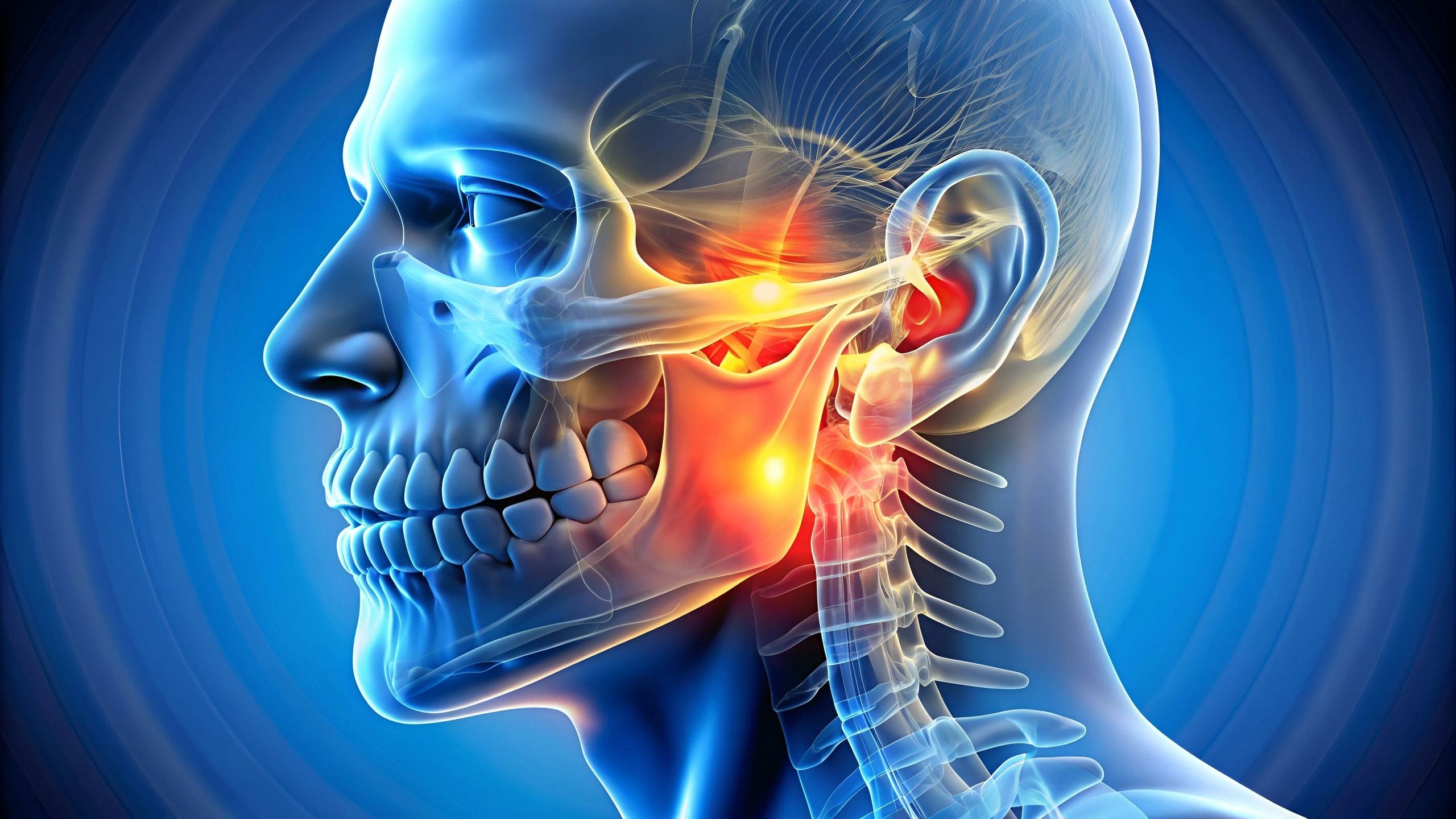
Temporomandibular joint disorder (TMJ) refers to dysfunction or pain in the joints that connect your jawbone to your skull. These joints are crucial for talking, chewing, and even yawning. TMJ disorders can cause:
- Jaw pain or tightness
- Clicking or popping sounds
- Locking of the jaw
- Difficulty chewing or speaking
- Headaches, neck pain, or earaches
Veterans with PTSD often experience chronic muscle tension, bruxism (teeth grinding), and hyperarousal, which place excessive strain on the jaw and surrounding muscles—creating or worsening TMJ symptoms.
⚖️ VA Ratings for TMJ
The VA rates TMJ under 38 C.F.R. § 4.150, Diagnostic Code 9905, based on limited motion of the jaw:
Interincisal Range (mouth opening)
Ratings
0 to 10 mm
40%
11 to 20 mm
30%
21 to 30 mm
20%
31 to 40 mm
10%
In addition to range-of-motion limitations, painful motion and functional impairment are considered. Bruxism, muscle spasm, and jaw fatigue may further support a higher rating when thoroughly documented.
🧠 Common Secondary Conditions to TMJ
TMJ can be claimed as secondary to or with a variety of service-connected conditions, including:
- PTSD (most common mental health connection)
- Major Depressive Disorder
- Anxiety Disorders
- Sleep Apnea (due to bruxism-induced microarousals)
- Chronic Headaches or Migraines
- Tinnitus
- Dental trauma
Of these, PTSD is the most commonly connected psychiatric condition.
🩺 Who Should Write a TMJ Nexus Letter?
When TMJ is claimed as secondary to a mental health condition, the most credible nexus letters come from providers who understand both physical and psychological contributors. These include:
- Psychiatrists – Experts in diagnosing PTSD and understanding how trauma-related behaviors (like jaw clenching, sleep disturbances, or medication effects) contribute to TMJ.
- Dentists or Oral Surgeons – Trained in assessing jaw biomechanics, bruxism, malocclusion, and structural abnormalities caused or worsened by chronic tension.
At Brightview Psychiatry Solutions, we take a collaborative approach:
Every TMJ nexus letter is written or supported by a licensed physician and includes input from a consulting dentist. This ensures that the connection between your PTSD and TMJ is explained with both dental precision and psychiatric depth.
💡 Why Pursue a TMJ Claim?
You served with honor—and you deserve to be compensated for the conditions that service caused or worsened. TMJ might not sound as serious as PTSD or back pain, but chronic jaw pain and dysfunction impact your quality of life every day—from eating to speaking to sleeping.
Too often, veterans ignore or minimize jaw pain, thinking it’s “just tension” or “not service-related.” But if your TMJ symptoms started after trauma, during service, or in connection with your PTSD, then you are entitled to pursue that service connection.
📞 We Can Help You Get the Service Connection You Deserve
At Brightview Psychiatry Solutions, we offer:
- Expertly crafted TMJ nexus letters
- A collaborative psychiatrist–dentist review process
- Clear, persuasive medical opinions tailored to your VA claim
- 100% transparency—you’ll know exactly who is writing your letter
👉 Schedule your FREE phone consultation today to discuss your TMJ claim and get started on the path to VA recognition and compensation.
✍️ Final Thoughts
TMJ is more than a nuisance—it’s a legitimate, disabling condition that deserves recognition when it stems from your military service. If you’re living with jaw pain, bruxism, or chronic tension, and you’ve been diagnosed with PTSD or another mental health condition, you may be eligible for a TMJ nexus letter that connects the dots.
You served. You sacrificed. You deserve to be heard—and compensated.