
Understanding PTSD After a Traumatic Car Accident
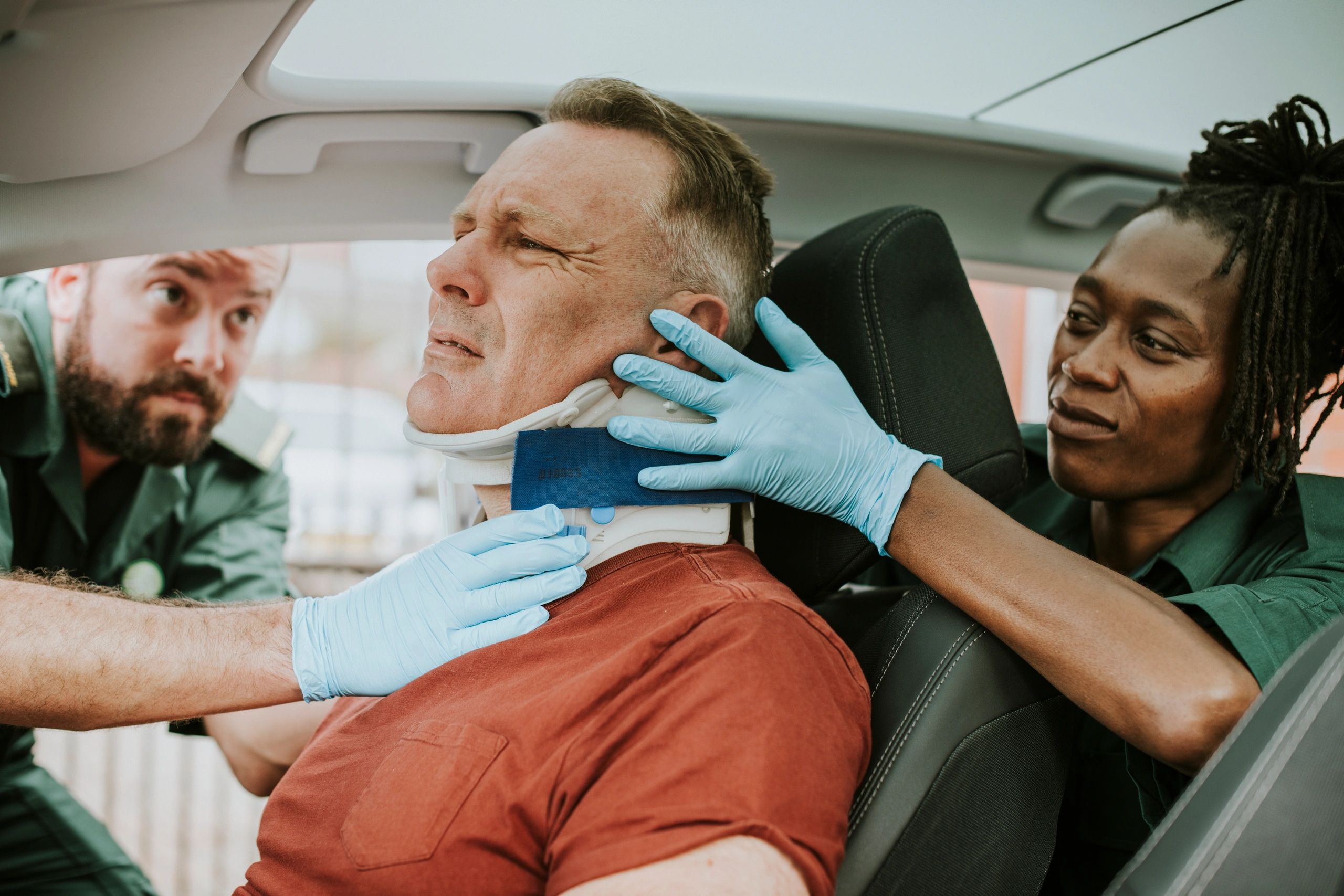
As a psychiatrist and former VA Compensation and Pension (C&P) examiner, I have witnessed firsthand how traumatic experiences outside the battlefield can leave lasting psychological scars. One of the most common non-combat-related trauma sources among veterans is involvement in a serious motor vehicle accident, which can meet the diagnostic threshold for Posttraumatic Stress Disorder (PTSD). This blog is written for veterans who are struggling in the aftermath of a traumatic car accident and are seeking to understand how PTSD can develop and how it can be supported through expert evaluation and documentation.
What Is PTSD and What Is Criterion A?
According to the Diagnostic and Statistical Manual of Mental Disorders, Fifth Edition (DSM-5), PTSD is diagnosed when an individual is exposed to a traumatic event and develops a characteristic set of symptoms that persist for more than one month and cause significant functional impairment.
Criterion A defines the type of trauma required for a PTSD diagnosis. Specifically, the person must have been exposed to:
- Actual or threatened death,
- Serious injury, or
- Sexual violence.
Exposure can occur through direct experience, witnessing the event, learning that it happened to a close associate, or repeated exposure to aversive details of such events (e.g., first responders). A serious car accident often satisfies Criterion A due to the threat to life, risk of serious injury, or witnessing injury or death to others involved.
What Happens During a Traumatic Car Accident?
Traumatic motor vehicle accidents can be marked by high-impact collisions, physical injury, loss of consciousness, and graphic scenes involving blood, broken glass, or crushed vehicles. In many cases, veterans may witness the death or injury of others or may feel powerless as their own lives flash before them. Loud crash sounds, the shattering of glass, or the sudden stop of a vehicle can become traumatic imprints that replay vividly in the mind long after the event has passed.
PTSD Symptoms After a Car Accident
Veterans who develop PTSD from a car accident often report:
- Intrusive symptoms: Flashbacks, nightmares, or distressing thoughts related to the accident
- Avoidance behaviors: Refusal to drive, avoiding highways, or steering clear of passengers or specific vehicles
- Negative alterations in cognition and mood: Feelings of detachment, survivor's guilt, self-blame, or persistent negative beliefs
- Hyperarousal symptoms: Startle responses to sudden noises, irritability, difficulty concentrating, or sleep disturbances
These symptoms can significantly impair occupational functioning, social interactions, and overall quality of life.
How I Can Help: Expert PTSD Evaluations and Nexus Letters
As a psychiatrist with deep experience in VA disability evaluations, I understand the criteria the VA uses to establish service connection for PTSD. If your car accident occurred during military service or was aggravated by service-related factors (e.g., a required duty, transportation to a duty station), I can help evaluate your symptoms in the context of your service.
I provide:
- A thorough and confidential psychiatric evaluation
- A formal diagnosis of PTSD when criteria are met
- A well-reasoned nexus letter that draws the connection between your trauma and your current diagnosis
- An independent medical opinion (IME) consistent with VA standards for disability evidence
Having a recent and professional evaluation is crucial to supporting your claim. I also address the presence of marker evidence or behavioral changes surrounding the time of the trauma to further substantiate claims, particularly in cases where documentation may be limited.
Take the Next Step Toward Healing
PTSD can develop from a wide range of traumatic experiences, including motor vehicle accidents. If you’re a veteran coping with persistent psychological symptoms after such an event, you deserve support, recognition, and care.
📞 Call me at: (919) 849-8617 📧 Email: hello@brightviewMD.com 📅 Schedule a free consultation: https://intakeq.com/booking/ioezdg
Learn more: https://ptsdnc.com/ptsd-due-to-car-accidents