What Do All Those Polysomnography Abbreviations Mean?
What Do All Those Polysomnography (Sleep Study) Abbreviations Mean? A Guide to Sleep Study Terminology
If you’ve ever undergone a sleep study, officially known as a polysomnogram, you may have received a report filled with confusing abbreviations and clinical jargon. Whether you’re navigating a new diagnosis of obstructive sleep apnea (OSA) or preparing to file a VA claim, understanding your sleep study results is essential.
At Brightview Psychiatry Solutions, we specialize in writing Sleep Apnea Nexus Letters that clearly translate your medical data into powerful legal evidence for your disability claim. Below, we break down the key terms and scoring criteria you’ll see in a typical polysomnography report.
🛌 What Is a Polysomnogram?
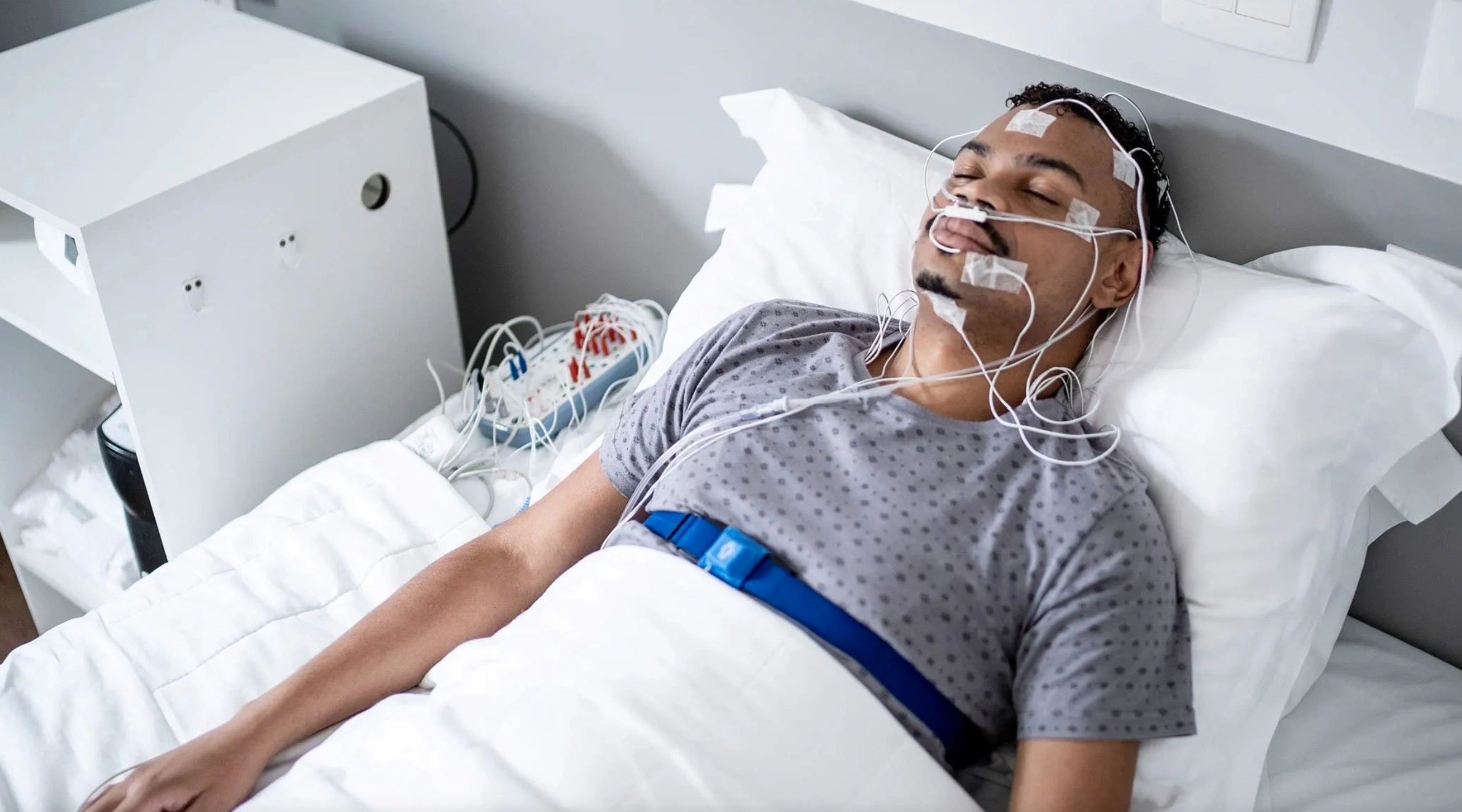
A polysomnogram (PSG) is the clinical term for a sleep study—a comprehensive overnight test that monitors various physiological functions during sleep. These include brain waves, blood oxygen levels, heart rate, breathing patterns, and muscle movements.
Sleep studies are the gold standard for diagnosing obstructive sleep apnea (OSA), a disorder where breathing repeatedly stops and starts during sleep due to airway obstruction.
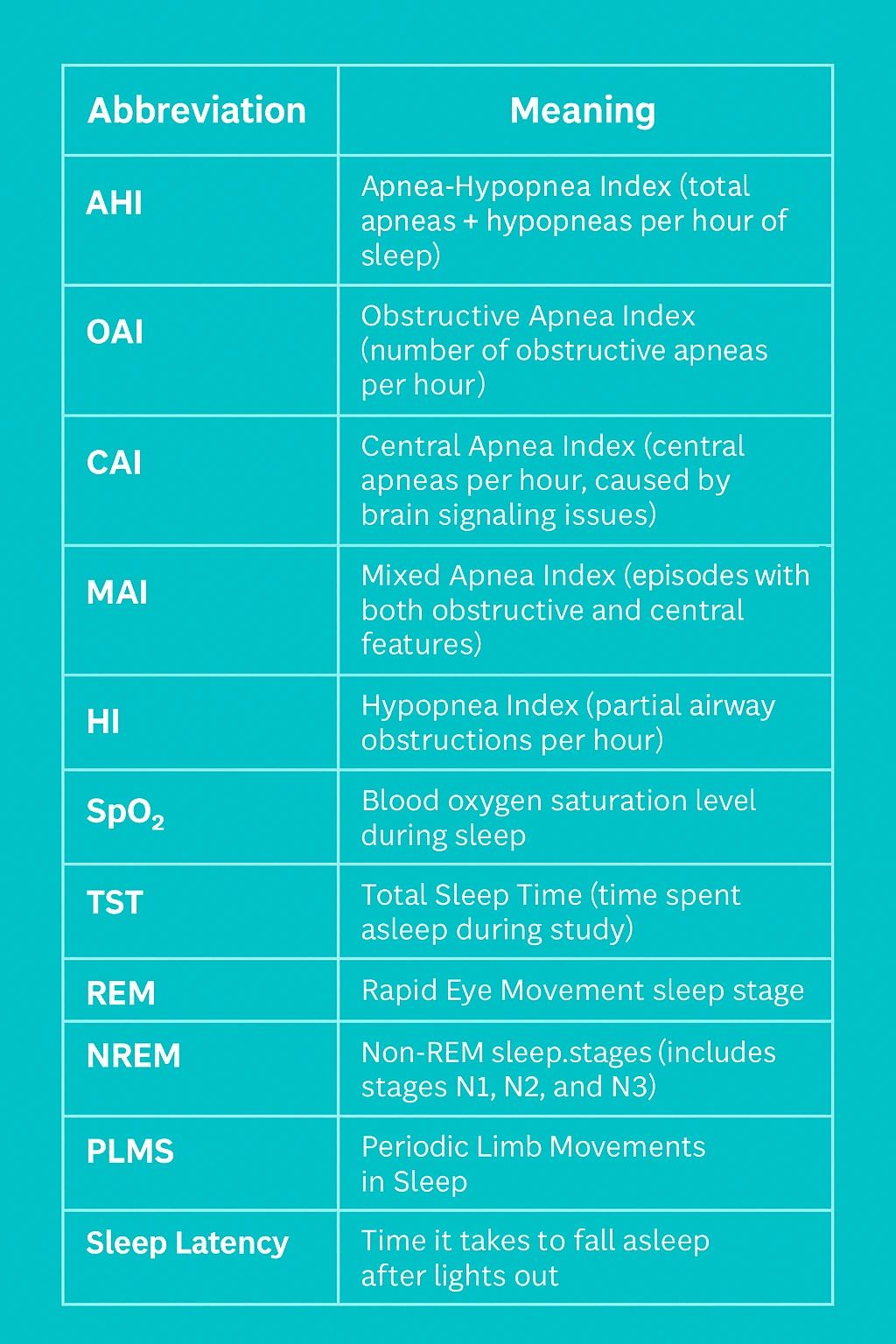
🧾 Common Polysomnography Abbreviations
Here's a guide to the most common terms and what they mean:
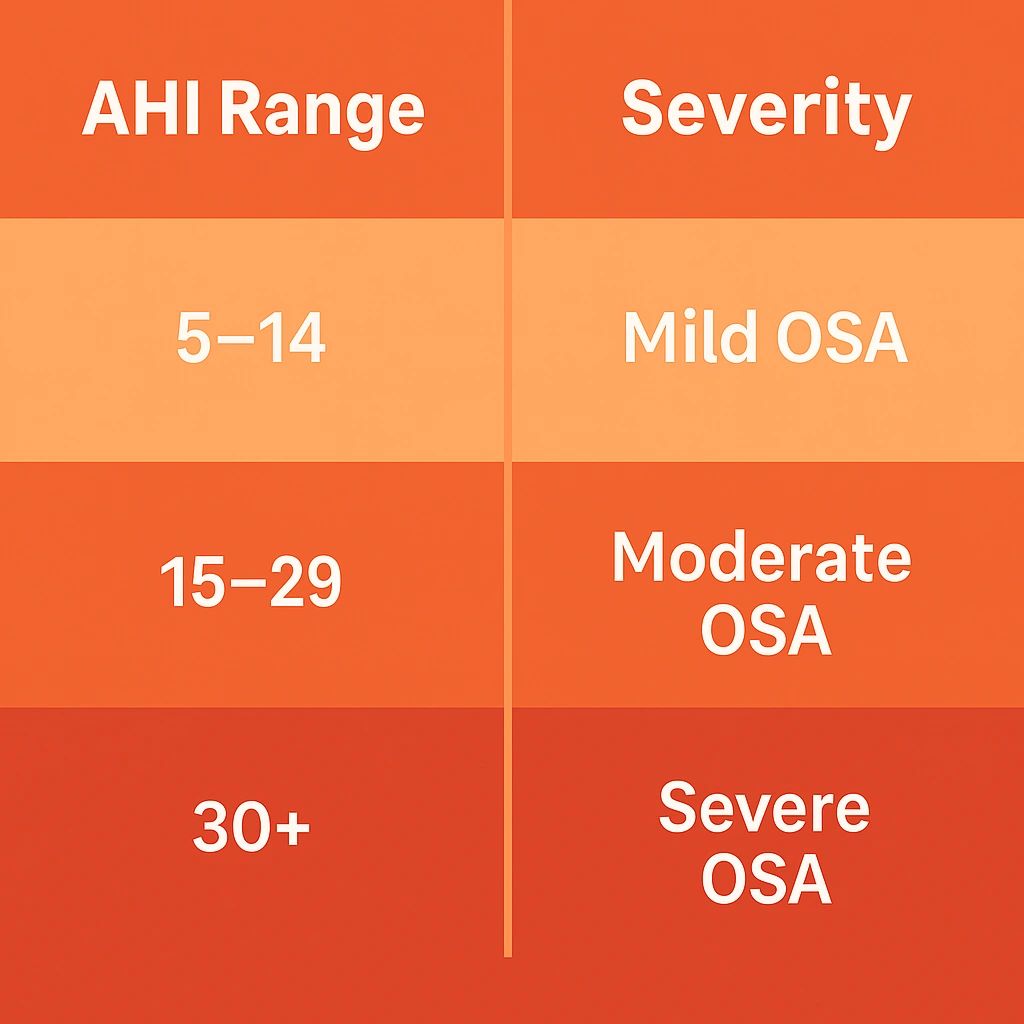
📊 How Is OSA Severity Graded?
The Apnea-Hypopnea Index (AHI) is the key metric used to determine the severity of OSA. It refers to how many apneas (complete breathing pauses) and hypopneas (partial obstructions) occur per hour of sleep.
Even mild sleep apnea can significantly affect mood, cognition, cardiovascular health, and daytime functioning. And for veterans, any severity level of OSA may qualify for VA disability benefits—especially when connected to other service-related conditions like PTSD, TBI, or chronic rhinitis.
📄 Why You Need a Sleep Apnea Nexus Letter
Whether you're newly diagnosed or seeking a higher VA rating, a nexus letter can make all the difference. A Sleep Apnea Nexus Letter:
- Connects your diagnosis to your military service or a service-connected condition (like PTSD or depression)
- Explains aggravation or secondary causes (e.g., weight gain from psych meds or service-connected musculoskeletal injuries or PTSD/anxiety-induced sleep disturbance)
- Reinforces credibility with detailed medical rationale and references
Even if your OSA is mild, it's worth pursuing a nexus letter if symptoms such as daytime fatigue, insomnia, or cardiovascular issues are impacting your life or career.
🩺 How Brightview Psychiatry Solutions Can Help
At Brightview Psychiatry Solutions, Dr. Jessica Allen specializes in writing Sleep Apnea Nexus Letters that integrate sleep study data, psychiatric diagnoses, and service history into a compelling narrative for the VA. Whether your OSA is mild, moderate, or severe, we can help you present the strongest case for service connection or aggravation.
💬 Free consultations are available. Start the process by booking at https://intakeq.com/booking/ioezdg.
Tags: Sleep Apnea Nexus Letter, Sleep Study, Polysomnogram, AHI, VA Disability, Nexus Letter, Obstructive Sleep Apnea, Veterans Benefits