
Headaches Secondary to Cervical Spine and Neck Injury
This is a pain medicine question, and it should be answered by a pain medicine physician. Ours is Dr. Robert J. Allen, Jr.
Direct answer
Can you get VA disability for headaches secondary to a neck injury?
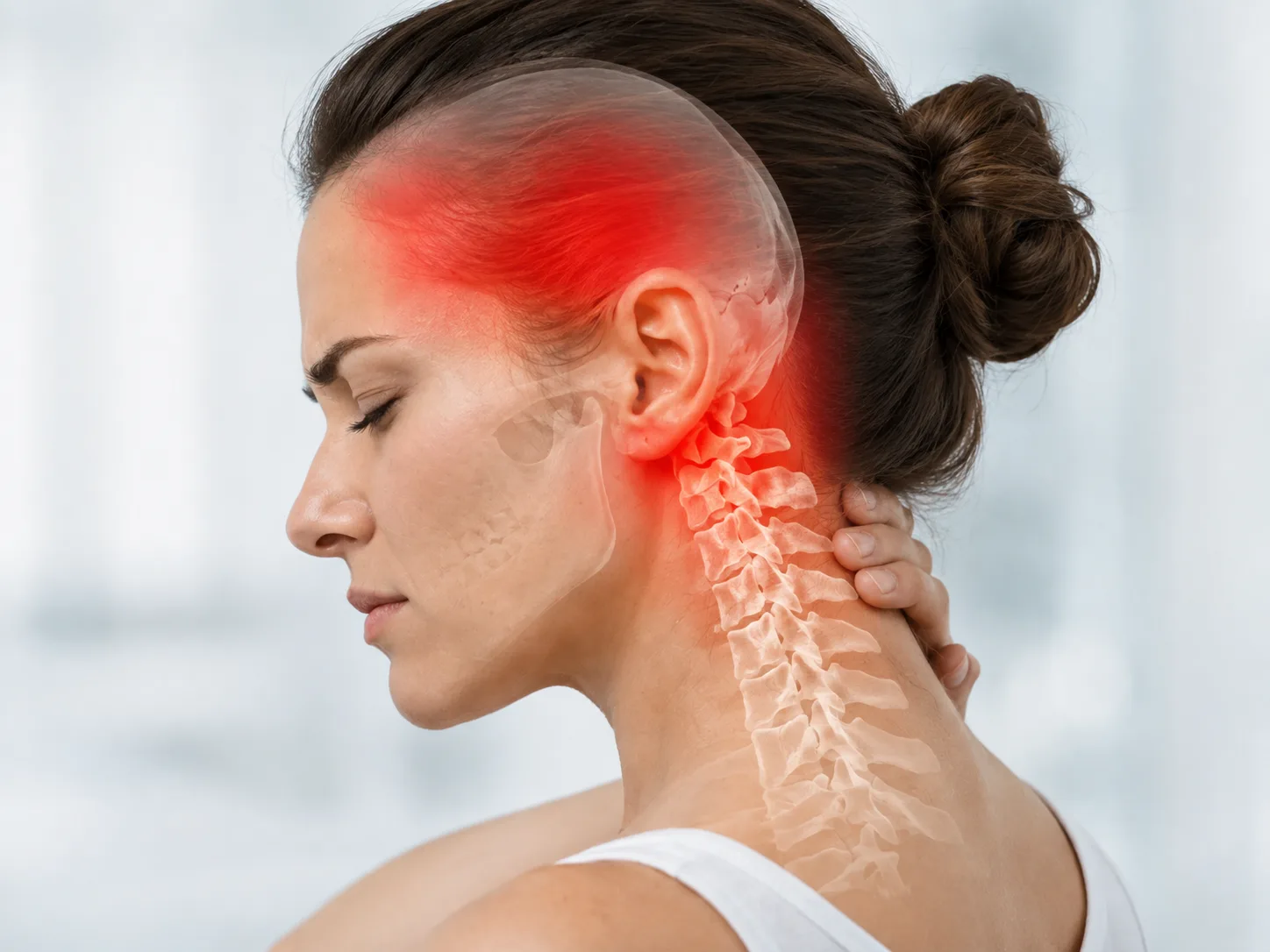
Yes. Headache arising from cervical spine pathology is a recognized clinical entity — cervicogenic headache, classified at ICHD-3 11.2.1. If VA has service-connected your neck condition, headaches caused or aggravated by it can be claimed as secondary under 38 CFR 3.310. Headaches are rated separately from the neck, under Diagnostic Code 8100.
Why this letter should come from a pain medicine physician
Cervicogenic headache is not diagnosed from a symptom list. It is established through the cervical examination — segmental and facet findings, range of motion, imaging correlation, and where indicated, response to diagnostic blockade. Those are pain medicine and physiatry competencies.
It also matters legally. Under Nieves-Rodriguez v. Peake, the weight VA assigns a medical opinion depends in part on the examiner's qualifications relative to the question asked. A spine and pain opinion signed by a spine and pain physician is harder to discount.
Robert J. Allen, Jr., M.D.
Physical Medicine & Rehabilitation · Fellowship-Trained in Pain Medicine
Dr. Allen is the son of a U.S. Navy veteran. He understands that military culture often discourages service members from reporting injuries — and that the resulting gaps in the record follow veterans for decades. His work is directed at closing them.
- Board certified in Physical Medicine and Rehabilitation (physiatry); fellowship trained in Pain Medicine
- Doctor of Medicine, University of Connecticut School of Medicine; residency and fellowship at Eastern Virginia Medical School
- In private practice since 2012
- Since 2016, thousands of VA compensation and pension examinations as an independent examiner retained by VES, QTC, and Optum Serve (formerly LHI)
- Prior service at the VA Medical Center in Hampton, Virginia and the Naval Medical Center in Portsmouth, Virginia
- Opinions across musculoskeletal claims (neck, spine, shoulder, hip, knee), general medicine, and traumatic brain injury
How a neck injury produces headaches
The recognized mechanisms, in brief:
- Trigeminocervical convergence. Sensory fibers from the upper cervical roots (C1–C3) converge with the trigeminal nucleus caudalis, allowing neck pain to be referred to the head and face.
- Facet joint pain. The C2–C3 zygapophyseal joint is the single most common generator of cervicogenic headache.
- Disc degeneration and segmental instability. Altered load transfer across degenerated cervical segments.
- Occipital nerve involvement. Irritation or entrapment of the greater and lesser occipital nerves.
- Myofascial contribution. Trigger points in the suboccipital, trapezius, and sternocleidomastoid musculature.
- Post-traumatic sensitization. Whiplash-associated disorder and central sensitization following cervical trauma.
- Medication overuse. Analgesics taken for chronic neck pain can themselves drive a chronic headache pattern.
Which of these apply to you, and how they are argued, depends on your imaging, examination findings, and treatment history. That analysis belongs in your letter, not on a web page.
How does VA rate it?
Headaches are rated under 38 CFR 4.124a, Diagnostic Code 8100, on how often attacks are prostrating — severe enough that you must stop what you are doing. The cervical spine is rated separately, on range of motion and related findings.
| Rating | Criteria |
|---|---|
| 50% | Very frequent, completely prostrating and prolonged attacks productive of severe economic inadaptability |
| 30% | Characteristic prostrating attacks occurring on average once a month over the last several months |
| 10% | Characteristic prostrating attacks averaging one in two months over the last several months |
| 0% | Less frequent attacks |
Separate ratings for distinct symptomatology are permitted and are not pyramiding under 38 CFR 4.14. Fifty percent is the maximum schedular evaluation under DC 8100. VA assigns the rating.
Why these claims get denied
- The headache is called a migraine and never evaluated as cervicogenic, so the neck is never connected to it.
- No cervical examination findings appear anywhere in the opinion — no range of motion, no segmental findings, no imaging correlation.
- Aggravation of a pre-existing headache disorder is never addressed, forfeiting an independent theory under 38 CFR 3.310(b).
- The opinion comes from a clinician with no spine or pain credentials, and is discounted on that basis.
- Prostrating frequency is undocumented, so even a granted claim lands at 0%.
What's in the letter
- Review of your cervical imaging, examination findings, treatment history, and rating decision, with a stated record of what was and was not available.
- The headache phenotype characterized against the recognized diagnostic criteria rather than assumed.
- Causation and aggravation argued as independent theories.
- Alternative etiologies identified and addressed one by one.
- Cited medical literature, so the opinion carries weight under Nieves-Rodriguez v. Peake.
- Documentation of frequency, duration, and functional impact in the rating schedule's own terms.
Which physician should write your letter? That is what the consult is for. See also headaches secondary to sleep apnea and headaches secondary to hypertension, or all nexus letter types we write.
FAQ
Common questions
Can I get VA disability for headaches secondary to a service-connected neck condition?
What is a cervicogenic headache?
Why does it matter who writes the nexus letter?
Will I get a separate rating for headaches, or is it folded into my neck rating?
What if my neck problem wasn't diagnosed until after I got out?
I already had migraines. Does that end the claim?
What rating can I get for headaches?
Talk through your neck and headache claim
Free consult. No obligation.
Brightview Psychiatry Solutions PLLC provides independent medical opinions and evaluations. Cervical spine and pain medicine opinions are provided by Dr. Robert J. Allen, Jr., M.D. This page is educational and is not medical or legal advice, and does not create a physician-patient relationship. VA determines service connection and assigns all disability evaluations. No outcome is guaranteed.