
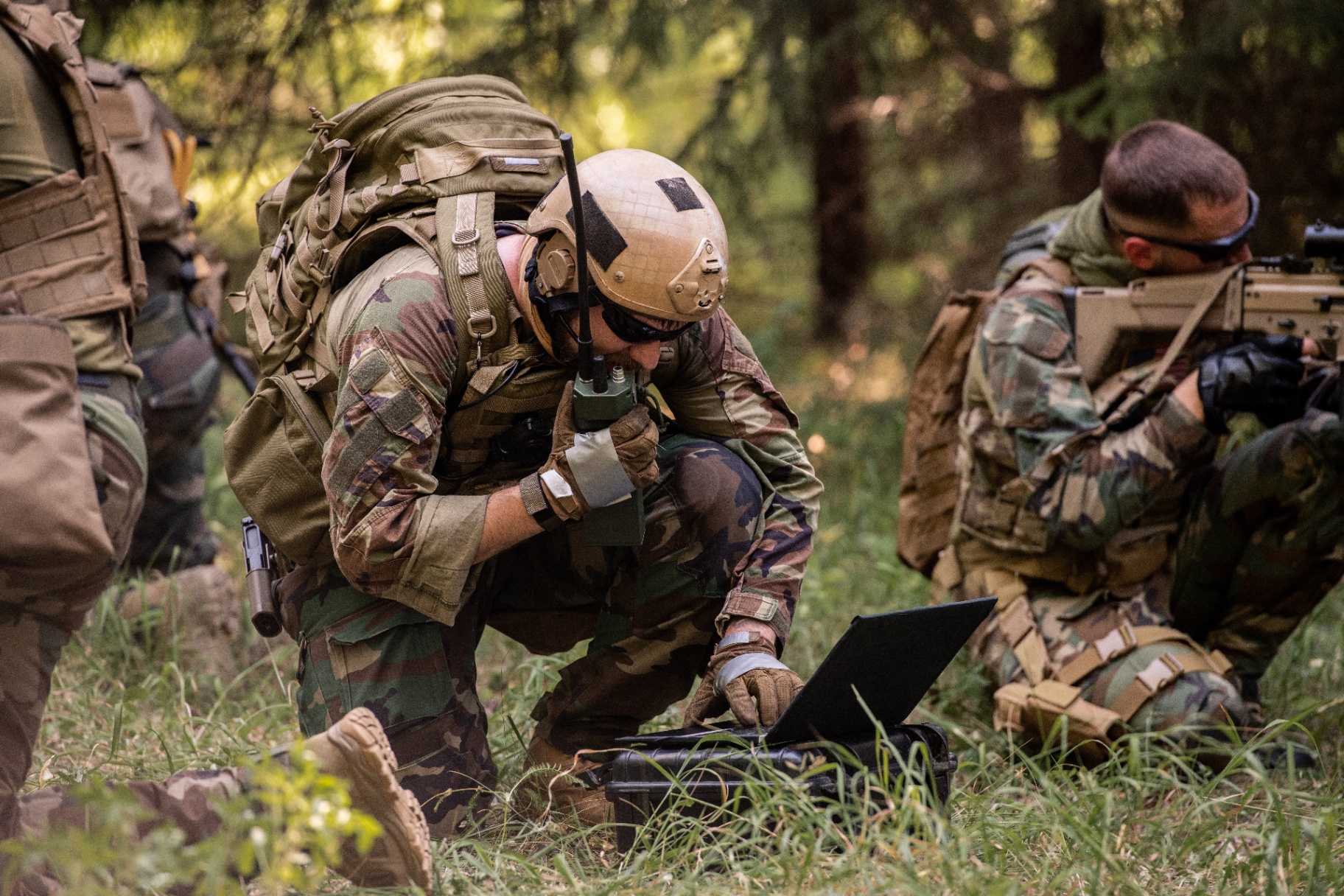
PTSD from disaster-response deployments — a stressor the VA can't ignore.
Katrina, Harvey, Maria, Helene, wildfire response, mass-casualty support — service members exposed to death, destruction, and human suffering during humanitarian missions carry the same PTSD risk as combat. Brightview writes the letter that says so.
One clinic. One psychiatrist. One standard.
Brightview writes PTSD from hurricane and disaster response nexus letters the VA can't ignore.
Most PTSD from hurricane and disaster response claims aren't denied because the veteran doesn't deserve service connection — they're denied because the letter behind the claim wasn't written to the VA's evidentiary standard. Dr. Jessica Allen writes every Brightview letter personally, using the exact clinical and legal language raters are trained to look for.
Why other PTSD from hurricane and disaster response letters get denied
The letters raters throw out
- The stressor is dismissed as 'not combat' by the prior examiner.
- No documentation of the specific horrors witnessed — remains, mass casualties, destroyed communities.
- Fear-of-life or moral-injury framing missing from the Criterion A analysis.
How Brightview wins them
What Dr. Allen puts in every PTSD from hurricane and disaster response letter
- Full DSM-5 PTSD workup with the humanitarian-response stressor properly framed.
- Explicit Criterion A analysis, including exposure to death, threatened death, and grotesque scenes.
- Recognition of moral-injury pathways where relevant.
Don't count yourself out
You may still qualify for PTSD from hurricane and disaster response — even if you've been told you don't.
Half the veterans we help were told they had no case. They did. They just didn't have the right medical opinion in the file yet.
- You never fired a weapon or served in a combat theater.
- The deployment was CONUS — domestic disaster response absolutely qualifies.
- You were 'only' in a support role — logistics, medical, mortuary affairs, engineering.