Get the VA PTSD Rating Increase You Deserve
Dr. Allen provides private psychiatric evaluations and nexus letters that document worsening symptoms, functional impairment, and the real impact of PTSD on your life.
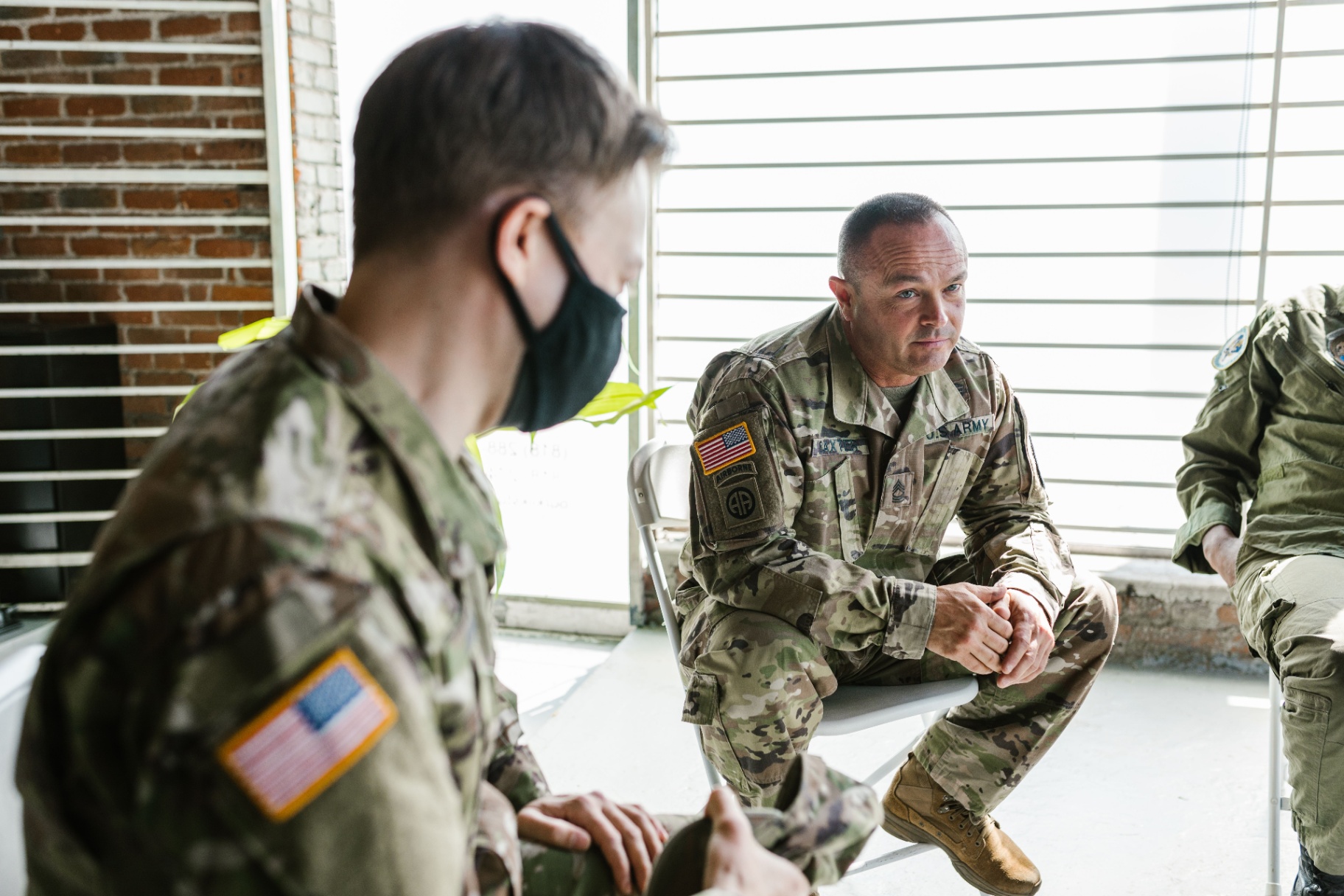
This page is for U.S. veterans and service members pursuing a VA disability claim for a PTSD rating increase or reduction defense. Brightview Psychiatry Solutions provides medical opinions only — we do not diagnose, prescribe, treat, file VA claims, or provide legal representation. If you need treatment, please contact the VA or your primary care provider.
Is Your Rating Too Low?
Signs your PTSD may be rated too low
If your symptoms have gotten worse, your current rating may not reflect your real-world impairment.
- Worsening depression, anxiety, panic, or irritability
- Trouble keeping a job or getting along at work
- Social withdrawal, isolation, or relationship conflict
- Nightmares, flashbacks, or hypervigilance
- Poor concentration, memory problems, or neglect of daily tasks
- Suicidal thoughts or feelings of hopelessness
How the VA Rates PTSD
Common PTSD rating increase paths
The VA cares most about one thing: how much PTSD impairs your occupational and social functioning. Hover any tier below to see the symptoms typically documented at that level.
Secondary Conditions That Worsen PTSD
How Other Service-Connected Conditions Can Worsen PTSD
A PTSD increase nexus letter shouldn't view PTSD in isolation. Many veterans carry other service-connected conditions that intensify mental-health symptoms over time. Chronic pain can increase irritability, depression, fatigue, insomnia, and withdrawal; migraines can drive missed work and isolation; tinnitus can disrupt sleep and heighten hypervigilance; and sleep apnea can worsen fatigue, mood instability, and cognitive impairment. Traumatic brain injury, orthopedic injuries, neuropathy, gastrointestinal, respiratory, and cardiac conditions can all compound the picture.
When you're seeking an increase, these interactions matter. The question isn't only whether PTSD exists — it's how severe your overall psychiatric impairment has become, and how service-connected conditions worsen it. A strong letter explains those connections so the VA can see your true level of occupational and social impairment.
Coping Behaviors
Substance Use, Tobacco, Gambling, and Other Coping Behaviors
Many veterans with chronic PTSD develop coping behaviors that are clinically important but often underreported — using alcohol to sleep or numb intrusive memories, increased tobacco or nicotine use under stress, or gambling, compulsive spending, overeating, or emotional shutdown. Documented carefully (never to shame), these behaviors can show how hard a veteran is struggling to regulate mood, tolerate stress, and function day to day.
These conditions aren't always separately compensable, and tobacco-related claims carry specific VA restrictions. But when they developed as part of coping with PTSD, they remain clinically relevant to the severity and functional impact of the disorder. A well-written letter addresses, where appropriate:
- •Whether alcohol is used to manage nightmares, insomnia, anxiety, or intrusive thoughts
- •Whether nicotine or tobacco use rises during stress, panic, anger, or hypervigilance
- •Whether gambling or other compulsive behaviors are used to escape distress
- •Whether these behaviors have damaged relationships, finances, employment, or daily functioning
- •Whether they reflect worsening psychiatric impairment rather than lifestyle choice
Pyramiding
PTSD, Depression, Anxiety, and Insomnia — Understanding Pyramiding
Many veterans service-connected for PTSD also live with depression, anxiety, panic, insomnia, irritability, and concentration problems, and wonder whether to file separate claims for each. Because of the rule against pyramiding, the VA generally evaluates overlapping psychiatric symptoms together under a single mental-health rating rather than assigning separate ratings for the same symptoms.
That doesn't mean these symptoms should be ignored — documented well, they may support a higher PTSD rating by increasing your overall occupational and social impairment. Often the stronger strategy isn't a new separate claim; it's showing that these symptoms are part of the worsening PTSD picture. A good letter explains all current psychiatric diagnoses, how the symptoms overlap, and why your total impairment may exceed what the current rating reflects.
What Makes Dr. Allen's Nexus Letters Different
What Makes Our PTSD Increase Nexus Letters Different
Detailed
We explain symptoms, clinical findings, functional limitations, and rating-relevant impairment in a structured medical-legal narrative — never a vague "the veteran has PTSD."
Function-Focused
Because the VA rating system centers on occupational and social impairment, our reports explain how PTSD affects work, relationships, stress tolerance, concentration, emotional control, sleep, and daily life.
Evidence-Based
A clinically reasoned opinion drawn from your history, symptoms, impairment, and relevant medical principles.
VA-Relevant
Language aligned with VA mental-health rating concepts: occupational and social impairment, deficiencies in most areas, reduced reliability and productivity, and total occupational and social impairment when clinically supported.
Why a Private Evaluation Helps
A fuller picture than a short C&P exam
VA exams can be rushed. Some veterans minimize symptoms because of shame or military conditioning. Dr. Allen takes time to understand how PTSD affects your work, relationships, sleep, mood, and safety — then explains it in VA-relevant terms.
Simple Process
What to expect
Schedule
Book a private phone or video evaluation at a time that works for you.
Share your story
We review your symptoms, work history, relationships, treatment, and prior VA decisions.
Receive your report
Dr. Allen prepares a detailed, function-focused nexus letter or IME if clinically appropriate.
Ready to discuss your PTSD rating increase?
Talk directly with Dr. Allen. No pressure, no obligation — just clear guidance on your next step.
FAQ